Resin Bound vs Tarmac Driveways: Which Is Best for Your Property in Nottinghamshire?
Introduction
If you’re considering a new driveway, one of the first decisions you’ll face is choosing the right surface. Two of the most popular options across Nottinghamshire are resin bound driveways and tarmac driveways — both durable, practical, and widely used, but suited to slightly different needs.
The best choice depends on how you use your driveway, the look you want to achieve, and how important long-term maintenance and appearance are to you. In this guide, we’ll walk through the differences in plain terms, helping you decide which option is right for your property.
Understanding the Basics
Tarmac and resin bound driveways may both look straightforward on the surface, but they are installed very differently and perform in different ways over time.
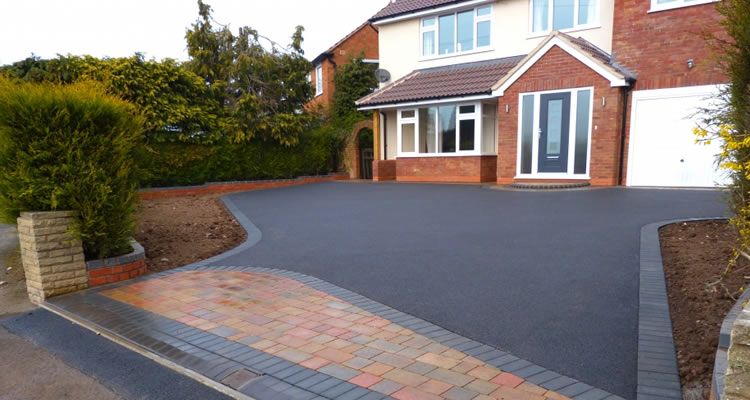
A tarmac driveway is made from layers of aggregate bound together with bitumen. It has been used for decades on roads, car parks, and domestic driveways because of its strength and reliability. When installed correctly on a well-prepared base, it provides a solid, hard-wearing surface that copes well with regular vehicle use.
A resin bound driveway, on the other hand, is created by mixing natural aggregates with a clear resin and laying the mixture over a solid base. The result is a smooth, seamless finish where the stones are fully bound together. This creates a contemporary appearance and, in many cases, a permeable surface that allows water to drain through.
Appearance and Kerb Appeal
For many homeowners, appearance plays a big role in the decision.
Resin bound driveways are often chosen for their modern, decorative finish. They are available in a wide range of aggregate colours and blends, making it easier to match the style of your home or create a more distinctive look. The smooth surface and clean edges tend to enhance kerb appeal, particularly for newer or renovated properties.
Tarmac driveways offer a more traditional, understated appearance. While typically black, red tarmac is also available and can suit certain properties well. Tarmac tends to blend in rather than stand out, which many homeowners prefer for its neat, practical look.
Durability and Everyday Use
Both options can be extremely durable when installed properly, but they perform slightly differently depending on usage.
Tarmac is well known for its strength. It handles heavy vehicles, frequent traffic, and changing weather conditions very well, which is why it’s commonly used for commercial surfaces and shared driveways. It’s a practical choice for households with multiple vehicles or higher usage.
Resin bound driveways are also durable, but they rely heavily on correct groundwork and installation. When laid on a suitable base, they perform very well under normal domestic use. However, poor preparation can lead to cracking or movement, which is why professional installation is essential.
Drainage and Practical Considerations
Drainage is an increasingly important factor, especially in areas prone to surface water issues.
Resin bound driveways are often permeable, meaning water drains through the surface rather than pooling. This can help reduce surface water run-off and, in some cases, avoid the need for additional drainage solutions. This makes resin bound surfaces particularly appealing where drainage compliance is a concern.
Tarmac is generally non-permeable, so drainage needs to be carefully planned. This might involve falls, channels, or other drainage features to direct water away effectively. A professional contractor will always assess this as part of the design process.
Maintenance and Long-Term Care
Maintenance is another key difference between the two options.
Tarmac driveways are relatively low maintenance. Over time, the surface may fade slightly or develop small cracks, but repairs are usually straightforward. Periodic resealing can help extend its lifespan and maintain appearance.
Resin bound driveways are also low maintenance, but they benefit from occasional cleaning to prevent debris and organic matter building up on the surface. Because of their decorative nature, keeping them clean helps preserve their visual appeal.
Neither option is maintenance-free, but both are manageable with the right care.
Cost and Value for Money
Cost is often a deciding factor, and it’s important to look beyond the initial price.
Tarmac driveways are typically more cost-effective upfront, especially for larger areas. This makes them a popular choice for practical, budget-conscious projects.
Resin bound driveways usually come at a higher initial cost due to materials and installation requirements. However, many homeowners see this as an investment in appearance and long-term value, particularly where kerb appeal is important.
A reliable contractor will help you weigh up cost against performance and appearance, rather than pushing one option over the other.
The Importance of Professional Installation
Regardless of which surface you choose, the quality of the installation is what ultimately determines how well your driveway performs.
Proper ground preparation, correct materials, and attention to detail are essential for both tarmac and resin bound driveways. Poor workmanship can lead to drainage problems, cracking, or premature wear — issues that are far more expensive to fix later.
Choosing a professional, experienced installer ensures the driveway is built to last and performs as intended.
Which Option Is Right for You?
If you’re looking for a strong, cost-effective, and proven solution, tarmac may be the best choice. If appearance, permeability, and a modern finish are higher priorities, a resin bound driveway could be the better option.
There’s no one-size-fits-all answer. The right choice depends on your property, usage, and personal preferences — and a professional assessment can make all the difference.
Final Thoughts
Resin bound and tarmac driveways both offer excellent benefits when installed correctly. Understanding the differences helps you make a confident decision and ensures your investment delivers long-term value.
If you’re considering a new driveway in Nottinghamshire, speaking with an experienced contractor who can assess your site and explain the options clearly is always the best next step.