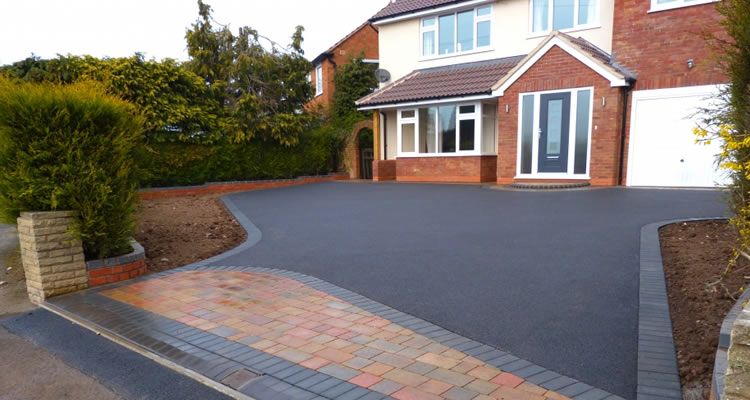
What Makes a High-Quality Landscaping Project? Professional Standards Explained in Nottinghamshire

January 12, 2026

Professional Standards Explained

A well-designed landscaping project can completely change how a property looks, feels, and functions. Whether it’s a private garden or a commercial outdoor space, good landscaping should be more than just visually appealing — it should be practical, durable, and built to last.


The challenge for many property owners is knowing what quality landscaping actually looks like. With so many companies offering landscaping services across Nottinghamshire, it can be difficult to tell the difference between a quick cosmetic makeover and a professionally delivered project that will still look good years down the line.


This guide explains what really goes into a high-quality landscaping project and the professional standards you should expect from a reliable landscaping company.


Quality Starts with Proper Planning

Every successful landscaping project begins long before any work starts on site. Professional landscapers take time to understand how the space will be used, how it needs to function, and how it will age over time.


For residential projects, this might involve considering how a garden will work for families, entertaining, pets, or low-maintenance living. For commercial landscaping, planning often focuses on access, safety, durability, and creating a strong first impression.


Rushed or poorly planned landscaping often looks good initially but develops problems quickly. Proper planning ensures the finished space works in real life — not just on day one.


Ground Preparation Is the Foundation of Everything

One of the biggest differences between average and high-quality landscaping is what happens below the surface.


Professional landscaping contractors invest time in correct ground preparation. This includes removing unsuitable material, installing appropriate sub-bases, ensuring correct levels, and allowing for drainage. These steps may not be immediately visible, but they are critical to preventing issues such as sinking patios, uneven paths, or water pooling.


Cutting corners at this stage is one of the most common causes of landscaping failures. High-quality projects are built from the ground up, not just dressed on the surface.


The Right Materials for the Job

Quality landscaping isn’t just about appearance — it’s about choosing materials that suit the environment and intended use.


A professional landscaper will recommend materials based on durability, maintenance requirements, and how they perform over time. For example, paving used in high-traffic areas needs to be robust and correctly installed, while decorative features still need suitable support and fixing.


Using inappropriate or low-quality materials may reduce initial costs, but it often leads to higher maintenance and earlier replacement. Reliable landscaping companies focus on long-term value rather than short-term savings.


Attention to Detail Makes the Difference

It’s often the small details that separate a high-quality landscaping project from a mediocre one.


Clean edges, consistent levels, neat joints, and thoughtful finishing all contribute to a professional result. These details improve both appearance and durability, helping the landscape retain its structure and visual appeal over time.


A professional team takes pride in these details because they understand that quality is judged not just on the overall design, but on how well everything is executed.


Professional Workmanship and Site Management

High standards in landscaping also show in how the work is carried out day to day.


Professional contractors manage sites in an organised, respectful way. This includes keeping the area tidy, working safely, minimising disruption, and communicating clearly throughout the project. For homeowners, this makes the experience far less stressful. For commercial clients, it ensures work progresses efficiently without impacting operations unnecessarily.


Reliable landscaping companies understand that professionalism is as important as the finished result.


Residential vs Commercial Landscaping Standards

While the principles of quality remain the same, residential and commercial landscaping projects often have different priorities.


Residential landscaping focuses heavily on usability, comfort, and appearance. Gardens should feel welcoming, practical, and suited to the homeowner’s lifestyle.


Commercial landscaping, on the other hand, often prioritises durability, access, safety, and visual consistency. These spaces must cope with higher footfall and present a professional image at all times.


An experienced landscaping company understands these differences and adjusts its approach accordingly, rather than offering a one-size-fits-all solution.


Long-Term Performance Matters

High-quality landscaping is designed to last. That means thinking beyond the initial installation and considering how the space will perform over the years.


Proper drainage, suitable materials, and correct installation all reduce the risk of future issues. A professional landscaper will also provide guidance on maintenance, helping you protect your investment and keep the space looking its best.


Landscaping done properly should add long-term value, not ongoing problems.


Choosing the Right Landscaping Company

Ultimately, the quality of a landscaping project depends on the company delivering it. Experience, clear communication, honest advice, and a structured approach all play a role in achieving a high standard.


A reliable landscaping company will be happy to explain how they work, why certain steps matter, and what you can expect from the process. Transparency and professionalism are strong indicators that the finished result will meet your expectations.


Final Thoughts

A high-quality landscaping project is built on careful planning, solid preparation, skilled workmanship, and attention to detail. When these elements come together, the result is an outdoor space that not only looks great but functions well and stands the test of time.


If you’re considering landscaping work in Nottinghamshire, taking the time to understand professional standards will help you choose the right contractor and achieve a result you can be proud of.


January 12, 2026
Introduction Choosing a construction company is not something most people do often — and that’s exactly why it can feel overwhelming. Whether you’re planning a new driveway, a landscaping project, a home extension, or major renovation work, the contractor you choose will have a huge impact on the final result, your budget, and your overall experience. In Nottinghamshire, there are plenty of builders and contractors offering their services. The challenge isn’t finding someone — it’s knowing who you can genuinely trust. This guide walks you through what really matters when choosing a reliable construction company, helping you make an informed decision and avoid costly mistakes. Experience That Matches Your Project One of the first things to consider is whether the company has real experience with the type of work you’re planning. Construction is a broad industry, and not every contractor is suited to every job. For example, installing a driveway properly requires a strong understanding of ground preparation, drainage, and long-term durability. Landscaping projects demand careful planning, levels, and an eye for how spaces will be used over time. Extensions and renovations require structural knowledge and the ability to coordinate different trades efficiently. Groundworks and excavation work, meanwhile, need precision, safety awareness, and a methodical approach. A reliable construction company doesn’t rely on guesswork. They’ve seen similar projects before, understand the common challenges, and know how to avoid problems before they arise. Experience brings confidence — not just for the contractor, but for you as the client. Communication Says More Than You Might Think Good communication is often underestimated, but it’s one of the clearest indicators of reliability. From the very first conversation, you should feel that the company is listening to you, answering questions clearly, and explaining things in a way that makes sense. Professional contractors take the time to understand what you want, talk you through the process, and set realistic expectations. They don’t disappear for weeks at a time, and they don’t leave you guessing about what’s happening next. Instead, they keep you informed, address concerns early, and make sure everyone is on the same page. If communication feels rushed, vague, or inconsistent early on, it’s often a warning sign of bigger issues later. Clear, honest communication builds trust — and trust is essential in any construction project. Clear Quotes and Honest Advice A reliable construction company will always be upfront about costs. That means providing a clear quotation that explains what’s included, what’s not, and how the price has been calculated. Be cautious of estimates that are vague or unusually low. Quality construction work involves proper preparation, skilled labour, and suitable materials — all of which come at a cost. A trustworthy contractor will explain where your money is going and offer honest advice about what’s necessary for the job to be done properly. Transparency at this stage helps prevent misunderstandings, unexpected costs, and disputes later on. It also shows that the company values long-term relationships over quick wins. Quality Takes Priority Over Speed Everyone wants work completed efficiently, but speed should never come at the expense of quality. Reliable construction companies understand that doing things properly from the start saves time, money, and frustration in the long run. High-quality work is built on solid preparation, attention to detail, and a willingness to take the time needed at each stage. For example, poorly prepared groundworks can lead to sinking driveways or cracked patios. Rushed structural work in extensions or renovations can create issues that are expensive to fix later. A professional contractor will explain why certain steps matter and won’t cut corners just to finish sooner. Their focus is on delivering a result that lasts — not just one that looks good on completion day. A Professional Process Makes All the Difference Reliable construction companies don’t approach projects randomly. They follow a clear, structured process that helps everything run smoothly. This usually starts with an initial consultation and site assessment, followed by careful planning and a detailed quotation. Once work begins, the project is managed in stages, with regular checks to ensure standards are maintained. At the end, the work is reviewed to make sure it meets both professional expectations and the client’s requirements. This kind of structure reduces stress for everyone involved. It shows that the company takes its responsibilities seriously and has systems in place to deliver consistent results. Local Reputation and Trust In Nottinghamshire, reputation matters. Construction companies that consistently deliver high standards tend to build strong local relationships over time. Much of their work comes from repeat customers and word-of-mouth recommendations rather than one-off jobs. A local company with a solid reputation understands the area, the typical ground conditions, and the expectations of local clients. They also know that their reputation depends on every project they complete, which naturally encourages a higher level of care and professionalism. Choosing a contractor with a strong local presence often provides extra reassurance that they stand by their work. Safety, Insurance, and Professional Standards Finally, professionalism shows in how a company approaches safety and responsibility. Reliable contractors work in a way that protects their team, their clients, and the property itself. This includes operating with appropriate insurance, maintaining safe working practices, and treating your home or site with respect. A professional approach doesn’t just reduce risk — it reflects pride in the work and consideration for everyone involved. Making a Confident Choice Choosing a reliable construction company in Nottinghamshire isn’t about finding the cheapest quote or the quickest start date. It’s about finding a team that combines experience, clear communication, honest pricing, and consistently high standards of work. Taking the time to assess these factors will greatly increase your chances of a smooth project and a result you’re genuinely happy with. When reliability and professionalism come first, everything else tends to fall into place.
January 12, 2026
Introduction If you’re considering a new driveway, one of the first decisions you’ll face is choosing the right surface. Two of the most popular options across Nottinghamshire are resin bound driveways and tarmac driveways — both durable, practical, and widely used, but suited to slightly different needs. The best choice depends on how you use your driveway, the look you want to achieve, and how important long-term maintenance and appearance are to you. In this guide, we’ll walk through the differences in plain terms, helping you decide which option is right for your property. Understanding the Basics Tarmac and resin bound driveways may both look straightforward on the surface, but they are installed very differently and perform in different ways over time. A tarmac driveway is made from layers of aggregate bound together with bitumen. It has been used for decades on roads, car parks, and domestic driveways because of its strength and reliability. When installed correctly on a well-prepared base, it provides a solid, hard-wearing surface that copes well with regular vehicle use. A resin bound driveway, on the other hand, is created by mixing natural aggregates with a clear resin and laying the mixture over a solid base. The result is a smooth, seamless finish where the stones are fully bound together. This creates a contemporary appearance and, in many cases, a permeable surface that allows water to drain through. Appearance and Kerb Appeal For many homeowners, appearance plays a big role in the decision. Resin bound driveways are often chosen for their modern, decorative finish. They are available in a wide range of aggregate colours and blends, making it easier to match the style of your home or create a more distinctive look. The smooth surface and clean edges tend to enhance kerb appeal, particularly for newer or renovated properties. Tarmac driveways offer a more traditional, understated appearance. While typically black, red tarmac is also available and can suit certain properties well. Tarmac tends to blend in rather than stand out, which many homeowners prefer for its neat, practical look. Durability and Everyday Use Both options can be extremely durable when installed properly, but they perform slightly differently depending on usage. Tarmac is well known for its strength. It handles heavy vehicles, frequent traffic, and changing weather conditions very well, which is why it’s commonly used for commercial surfaces and shared driveways. It’s a practical choice for households with multiple vehicles or higher usage. Resin bound driveways are also durable, but they rely heavily on correct groundwork and installation. When laid on a suitable base, they perform very well under normal domestic use. However, poor preparation can lead to cracking or movement, which is why professional installation is essential. Drainage and Practical Considerations Drainage is an increasingly important factor, especially in areas prone to surface water issues. Resin bound driveways are often permeable, meaning water drains through the surface rather than pooling. This can help reduce surface water run-off and, in some cases, avoid the need for additional drainage solutions. This makes resin bound surfaces particularly appealing where drainage compliance is a concern. Tarmac is generally non-permeable, so drainage needs to be carefully planned. This might involve falls, channels, or other drainage features to direct water away effectively. A professional contractor will always assess this as part of the design process. Maintenance and Long-Term Care Maintenance is another key difference between the two options. Tarmac driveways are relatively low maintenance. Over time, the surface may fade slightly or develop small cracks, but repairs are usually straightforward. Periodic resealing can help extend its lifespan and maintain appearance. Resin bound driveways are also low maintenance, but they benefit from occasional cleaning to prevent debris and organic matter building up on the surface. Because of their decorative nature, keeping them clean helps preserve their visual appeal. Neither option is maintenance-free, but both are manageable with the right care. Cost and Value for Money Cost is often a deciding factor, and it’s important to look beyond the initial price. Tarmac driveways are typically more cost-effective upfront, especially for larger areas. This makes them a popular choice for practical, budget-conscious projects. Resin bound driveways usually come at a higher initial cost due to materials and installation requirements. However, many homeowners see this as an investment in appearance and long-term value, particularly where kerb appeal is important. A reliable contractor will help you weigh up cost against performance and appearance, rather than pushing one option over the other. The Importance of Professional Installation Regardless of which surface you choose, the quality of the installation is what ultimately determines how well your driveway performs. Proper ground preparation, correct materials, and attention to detail are essential for both tarmac and resin bound driveways. Poor workmanship can lead to drainage problems, cracking, or premature wear — issues that are far more expensive to fix later. Choosing a professional, experienced installer ensures the driveway is built to last and performs as intended. Which Option Is Right for You? If you’re looking for a strong, cost-effective, and proven solution, tarmac may be the best choice. If appearance, permeability, and a modern finish are higher priorities, a resin bound driveway could be the better option. There’s no one-size-fits-all answer. The right choice depends on your property, usage, and personal preferences — and a professional assessment can make all the difference. Final Thoughts Resin bound and tarmac driveways both offer excellent benefits when installed correctly. Understanding the differences helps you make a confident decision and ensures your investment delivers long-term value. If you’re considering a new driveway in Nottinghamshire, speaking with an experienced contractor who can assess your site and explain the options clearly is always the best next step.
January 12, 2026
When people think about construction projects, they often focus on what they can see — the finished extension, the new driveway, or the completed building. What’s easy to overlook is that the most important part of any project happens before anything visible is built. Groundworks form the foundation of almost every construction project. Whether you’re planning a new build, an extension, a renovation, or even a large landscaping scheme, the quality of the groundwork will directly affect the strength, safety, and longevity of the finished result. In this guide, we explain what groundworks actually involve and why proper preparation is essential for any successful building project. What Are Groundworks? Groundworks refer to all the work carried out to prepare a site before construction begins above ground level. This stage creates a stable, safe base for everything that follows. Groundworks can include site clearance, excavation, drainage installation, foundations, and levelling. While these tasks may not look impressive once they’re covered up, they are critical to ensuring the structure above performs as intended. A professional approach to groundworks is about accuracy, planning, and understanding how the ground will behave over time. Why Ground Preparation Matters So Much The ground beneath a building or surface plays a huge role in its long-term performance. Poor preparation can lead to problems such as movement, cracking, drainage issues, or even structural failure. Different sites have different challenges. Soil type, water levels, access restrictions, and existing structures all influence how groundwork should be carried out. Experienced contractors assess these factors early and adapt their approach accordingly. When groundworks are done properly, they reduce risk, prevent future repairs, and give the rest of the project the best possible start. Excavation: More Than Just Digging Excavation is often seen as a simple task, but in reality, it requires careful planning and control. Professional excavation involves working to precise depths and levels, managing spoil responsibly, and ensuring surrounding areas remain safe and stable. This is especially important near existing buildings, boundaries, or services. Poor excavation can compromise foundations and drainage, leading to long-term issues that are expensive to correct. Proper excavation creates the conditions needed for strong, stable construction. Drainage: A Critical but Overlooked Element Drainage is one of the most important aspects of groundworks, yet it’s often one of the least understood. Without effective drainage, water can build up around foundations or beneath surfaces, increasing the risk of movement, erosion, and damp-related problems. Professional groundworks contractors design drainage systems that manage water properly, taking into account ground conditions and site layout. Good drainage protects the structure, improves durability, and helps prevent costly problems in the future. Foundations: Getting It Right from the Start Foundations are only as good as the ground they sit on. The type and depth of foundations required depend on the building design and site conditions. A reliable contractor ensures foundations are correctly designed, accurately installed, and properly supported. This stage is not one where shortcuts can be taken. Any issues at foundation level tend to affect the entire structure above. Strong foundations provide peace of mind that the building is safe, compliant, and built to last. Groundworks for Different Types of Projects Groundworks aren’t just for large construction sites. They are essential for a wide range of projects. For new builds, groundworks set out the entire structure and determine its stability. For extensions, they ensure the new work integrates safely with the existing building. For renovations, they may involve strengthening or modifying existing foundations. Even landscaping and driveway projects rely on proper ground preparation to avoid sinking or movement. Each type of project requires a tailored approach, which is why experience matters so much at this stage. The Role of Professional Project Management Groundworks often involve coordinating multiple tasks and trades, sometimes under tight site conditions. Professional contractors manage this process carefully to keep work safe, efficient, and on schedule. This includes planning access, sequencing work correctly, and ensuring everything meets required standards before moving on to the next stage. Good project management during groundworks helps the entire project run more smoothly. Why Cutting Corners Is a False Economy Because groundworks are hidden once a project is complete, it can be tempting to cut costs at this stage. Unfortunately, this often leads to far greater expense later on. Issues caused by poor groundworks are difficult and costly to fix once construction is complete. Investing in proper preparation from the outset protects your budget, your property, and your peace of mind. Reliable contractors understand that quality groundworks are not optional — they are essential. Choosing the Right Groundworks Contractor Selecting a professional groundworks contractor is one of the most important decisions you’ll make on any construction project. Look for a company with proven experience, clear processes, and a strong focus on safety and quality. A trustworthy contractor will be happy to explain how they approach ground preparation and why each step matters. Transparency and professionalism at this stage are strong indicators of a successful project overall. Final Thoughts Groundworks may not be the most visible part of a building project, but they are undoubtedly one of the most important. Proper preparation lays the foundation for everything that follows, affecting durability, safety, and long-term performance. If you’re planning any type of construction work in Nottinghamshire, understanding the importance of groundworks will help you make better decisions and choose a contractor who takes the process seriously.